Sod & Top Dressing
Lay a New Lawn — or Level the One You've Got
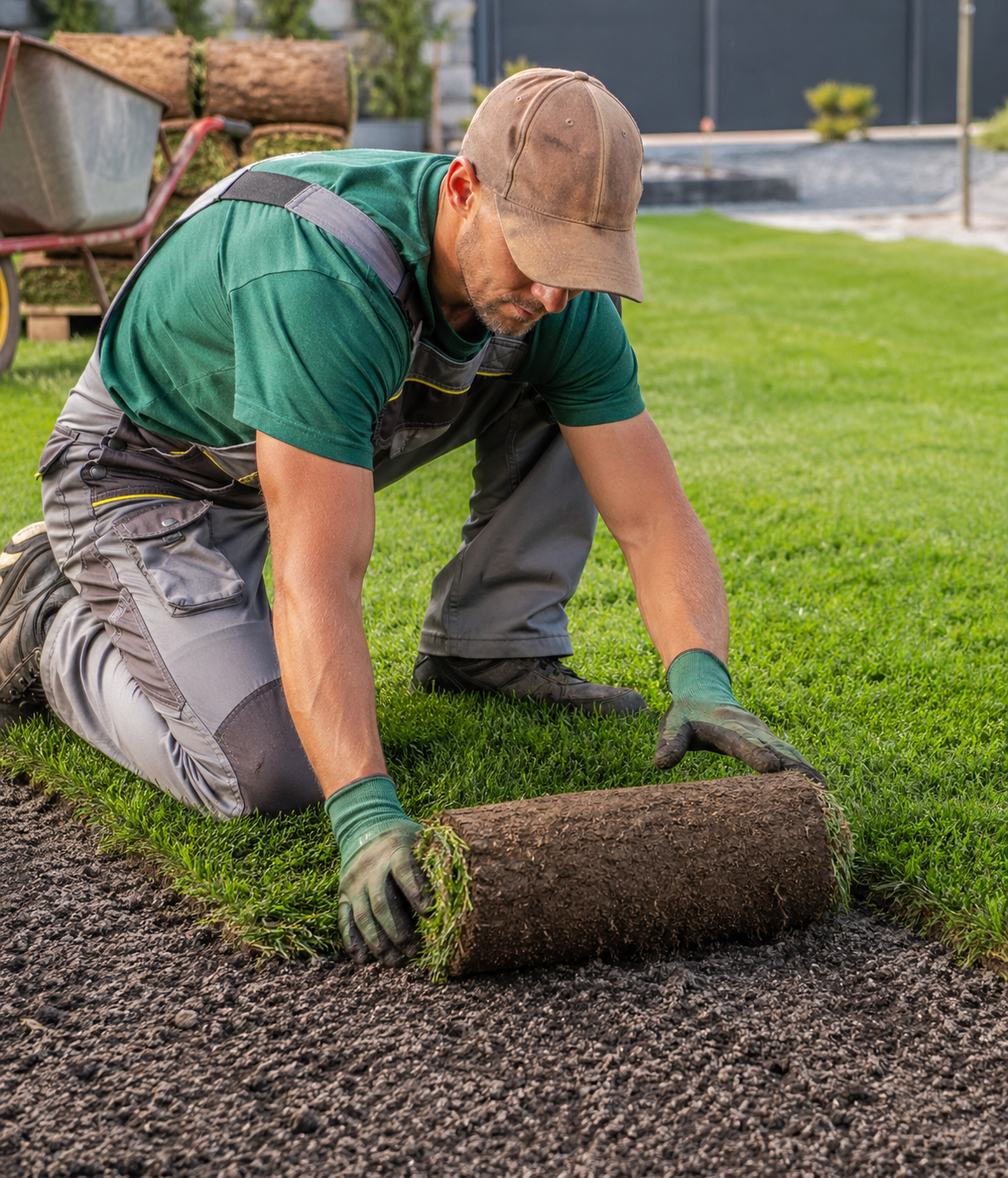

Lay a New Lawn — or Level the One You've Got
There's something appealing about the idea of slowing down and watching the grass grow.
In theory. In practice, if your lawn needs renewing and you plant seed, you'll be looking at a patch of dirt for six to eight weeks — assuming the rain cooperates, the seed germinates evenly, and the birds don't eat half of it.
Sod skips all of that. Lay it right and you have a dense, well-established lawn in two weeks. Walk on it gently after a week, fully use it after a month. The cost per square foot is higher than seed, but you're buying time — turf that someone else has coddled and grown for fourteen to eighteen months before it ever hits your yard.
Cutting Edge has been installing sod across DuPage County for over 20 years. We're family-owned and based in Villa Park. We handle the prep work, the install, and the guidance to get it through its first establishment season — because sod that's installed badly or watered wrong in week one becomes the most expensive lawn replacement most homeowners ever pay for.
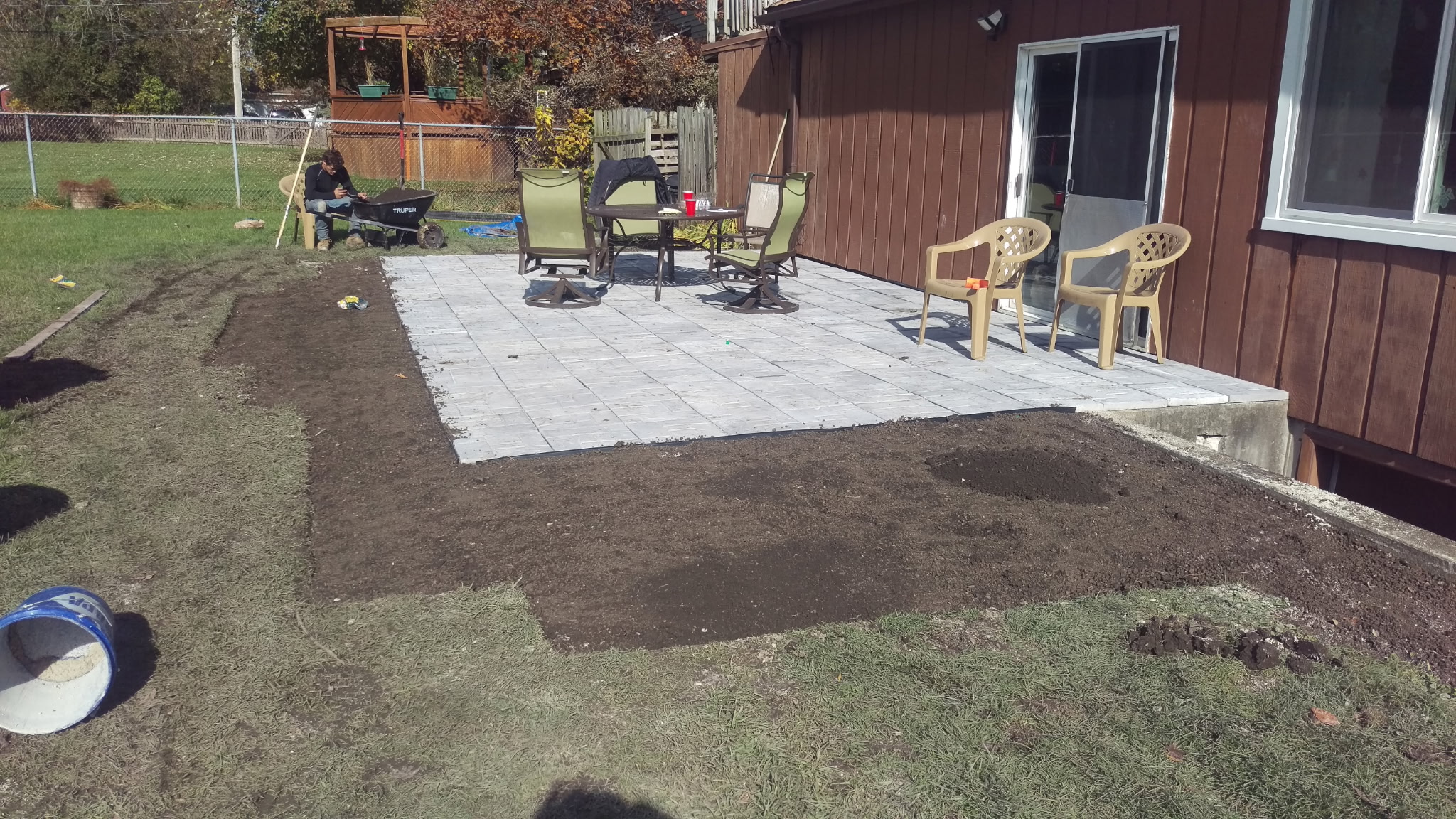
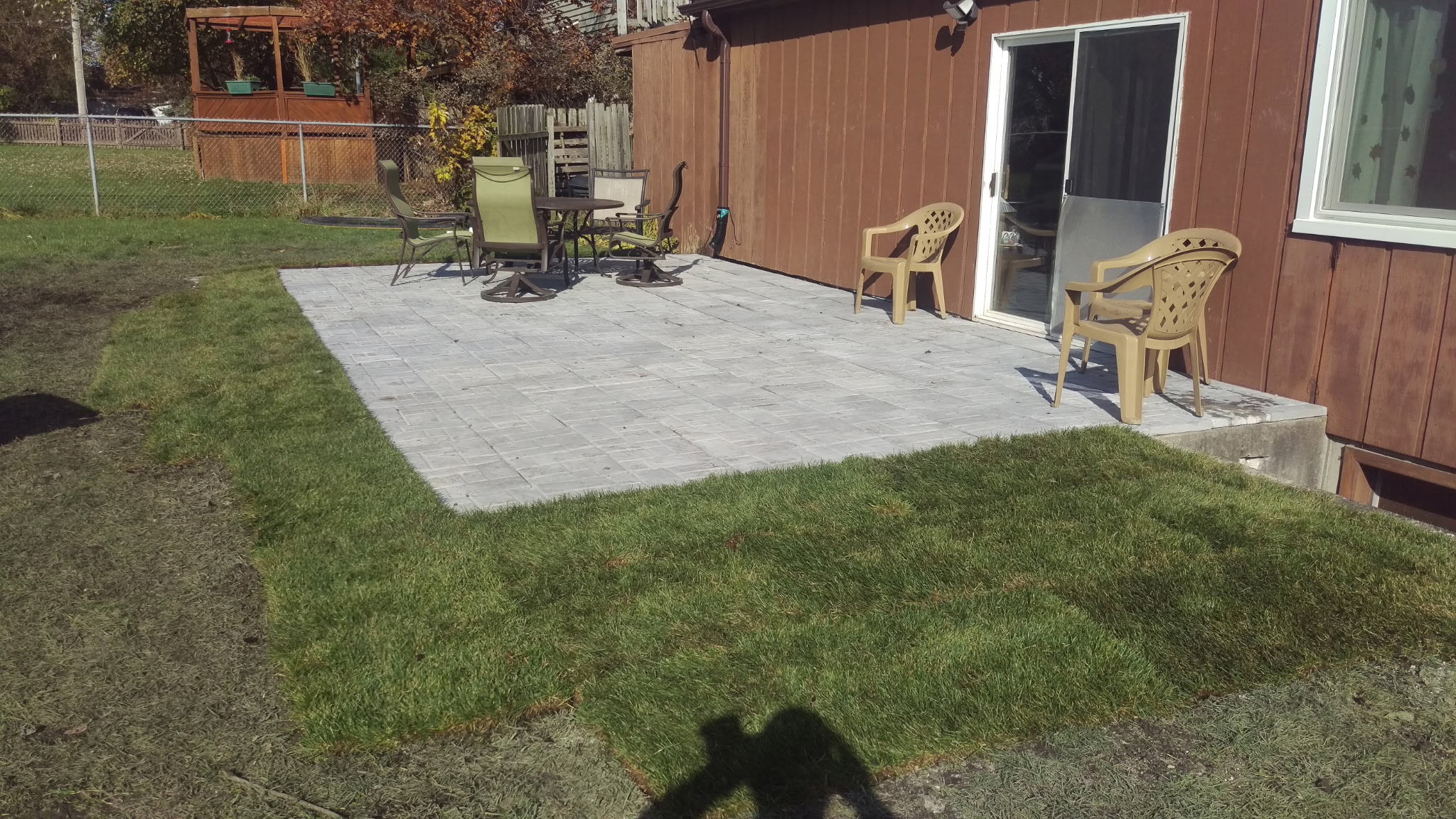
Sod installation is more bed prep than sod laying. The actual rolling out takes a few hours; what makes it work for the next twenty years is everything that happens before the first roll goes down.
Every sod project starts with what's already there. If you have a failed lawn, dead patches, or compacted soil, the existing material needs to come out. We strip the dead turf, address any underlying problems — drainage issues, severe compaction, contaminated soil — and start with a clean grading surface.
Sod likes a well-aerated base and nutrient-rich soil. That's not optional. Sod laid on top of compacted clay will struggle to root and decline within a season; sod laid on properly prepared soil will thrive. We till the area, work in topsoil and amendments where the existing soil isn't up to the job, and grade the surface to drain water away from the house and toward the right outlets.
Most sod failures we get called to fix trace back to grading shortcuts. Sod laid on uneven soil gives you bumpy spots, low spots that pool water, and high spots that dry out — all visible the moment the lawn matures. We grade the prepared surface flat and consistent before any sod goes down. Time-consuming, not glamorous, and it's the difference between a lawn that looks professionally done and one that looks like someone's first attempt.
We source from established Illinois sod farms, not whatever a big-box lot has stacked outside. The cool-season blends grown locally are matched to DuPage County's climate, soil types, and seasonal patterns — Kentucky bluegrass blends most commonly, with fine fescue mixed in for areas with shade. The sod arrives fresh, and goes down within 24 hours of being cut.
The sod goes down with tight seams, staggered joints (like brickwork, never aligned), and proper contact with the prepared soil underneath. Edges get cut clean against beds, walkways, and driveways. The whole installation gets rolled to remove air pockets and ensure good soil contact. Then it gets watered immediately — the first watering happens before we leave the property.
This is where most sod fails. Not the install — the watering in week one through four.
The first two weeks, sod needs heavy watering daily, sometimes twice daily in summer heat. Weeks three and four, you taper to deep but less frequent watering as the roots take hold. After four weeks, you transition to a normal lawn watering schedule.
We send you home with a written schedule specific to the time of year you're installed and your property's irrigation setup. A homeowner who follows the schedule has a dense, established lawn in a month. A homeowner who treats it like an established lawn from day one has dead seams within two weeks.
Not every lawn needs to be torn out and re-sodded. Some just need a thin layer of the right material spread across the top — and that's top dressing.
Top dressing is a shallow, even application of quality soil or compost blend over an existing lawn. It does three things at once: fills the minor dips and low spots that pool water and get scalped by the mower, improves the soil underneath, and gives new seed something to root into when we pair it with aeration and overseeding. In DuPage County, where most yards are sitting on heavy clay, that soil improvement is the part that actually matters — clay sheds water and chokes roots, and a compost top dressing worked in over time is one of the few things that genuinely fixes it.
The key word is thin. Done right, the existing grass grows right through the layer within a couple of weeks. Done wrong — piled on too thick — you smother the lawn you were trying to help. It's a maintenance step for a lawn that's basically sound but uneven or growing in tired soil, not a rescue for one that's already gone. If yours is past saving, we'll tell you straight and talk about sod instead.
Sod itself is forgiving. Cool-season Kentucky bluegrass and fescue blends are bred for hardiness and look terrific when they take. The reason sod sometimes gets a reputation for failing has almost nothing to do with the sod and almost everything to do with what happens around the install.
The four most common failures we see, all preventable:
Bad soil prep. Sod laid on top of compacted clay or unprepped subsoil never roots properly. It looks fine for a few weeks, then declines through summer and dies in patches by fall.
Wrong watering. Sod that doesn't get heavy watering in week one dries out and dies along the seams. Sod that gets watered shallowly forever develops weak surface roots and fails the first time anyone forgets to water.
Bad timing. Sod installed in mid-July heat without irrigation is gambling. We can install spring through fall in DuPage County, but the schedule needs to match the conditions — and we'll tell you straight if your timeline is fighting against the weather.
Old or improperly stored sod. Sod cut more than 24 hours before install, stored on a hot pallet, or rolled too tight loses viability fast. We pace the project so sod arrives the day it goes down.
We control all four. Customers who follow the watering schedule get a lawn that establishes well, looks great by the end of the first season, and matures into a dense, healthy turf within two seasons. The horror stories about sod come from corners cut on the prep, the sourcing, or the aftercare. None of those corners get cut on our installs.