Tree & Shrub Care
Planted to Thrive — and Kept That Way
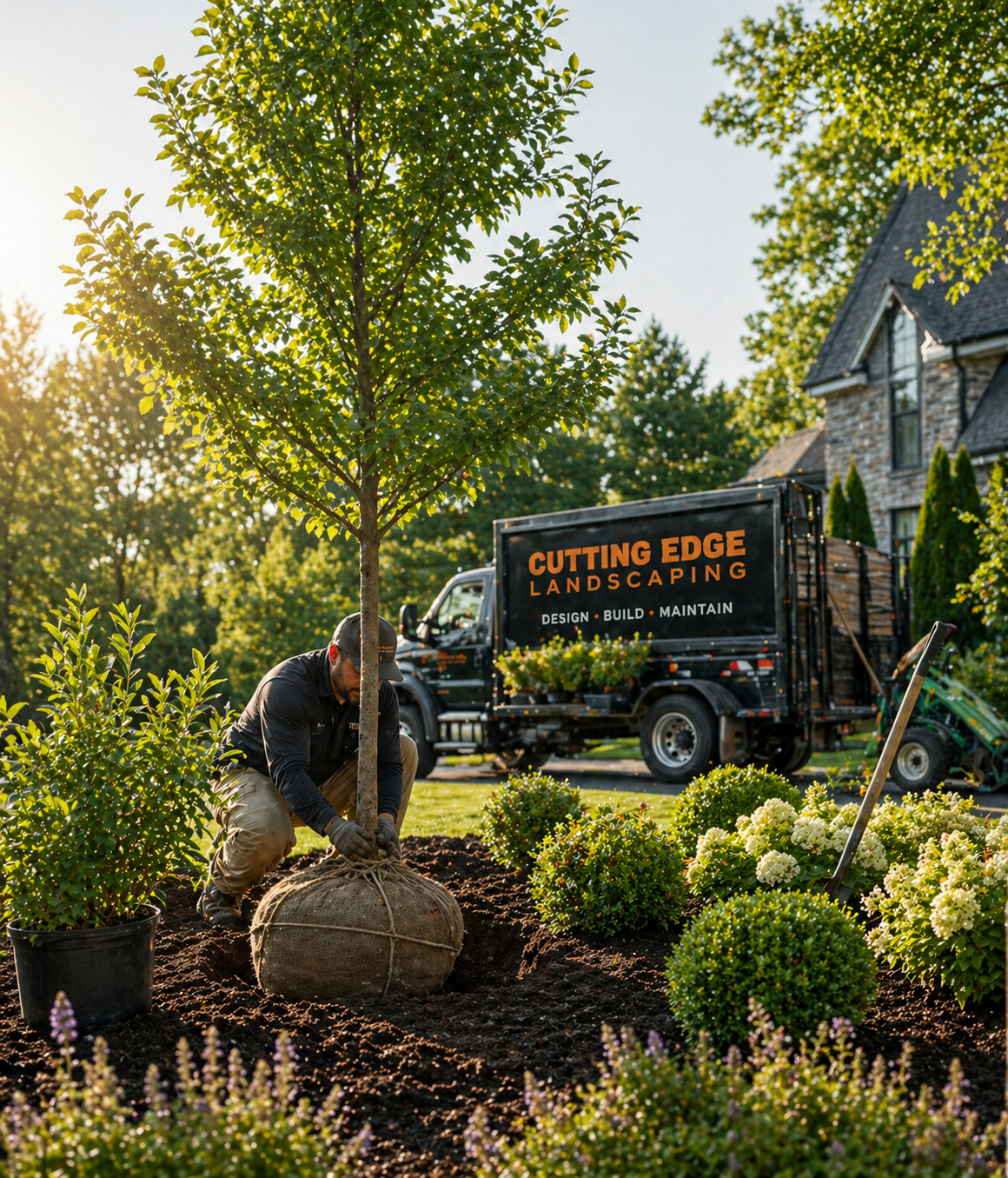

Planted to Thrive — and Kept That Way
A tree planted right is a 50-year asset. A tree planted wrong is a $400 mistake that's dead by year three. We plant for year fifty.
The difference isn't the tree. It's everything around the tree. The hole dug too shallow or too deep. The burlap left on the root ball. The soil amendments skipped to save 20 minutes. The location chosen for how it looks today, with no thought for the power line it'll hit at full height.
Cutting Edge plants trees and shrubs the way our founder learned to plant them — from his father, Joe Fedele, who spent 38 years with the City of Chicago Bureau of Forestry. That's the lineage behind every installation we do. We're family-owned, based in Villa Park, and we've been putting trees in DuPage County ground for over 20 years. The ones we planted in the 2000s are mature canopy now. That's the only proof that matters.
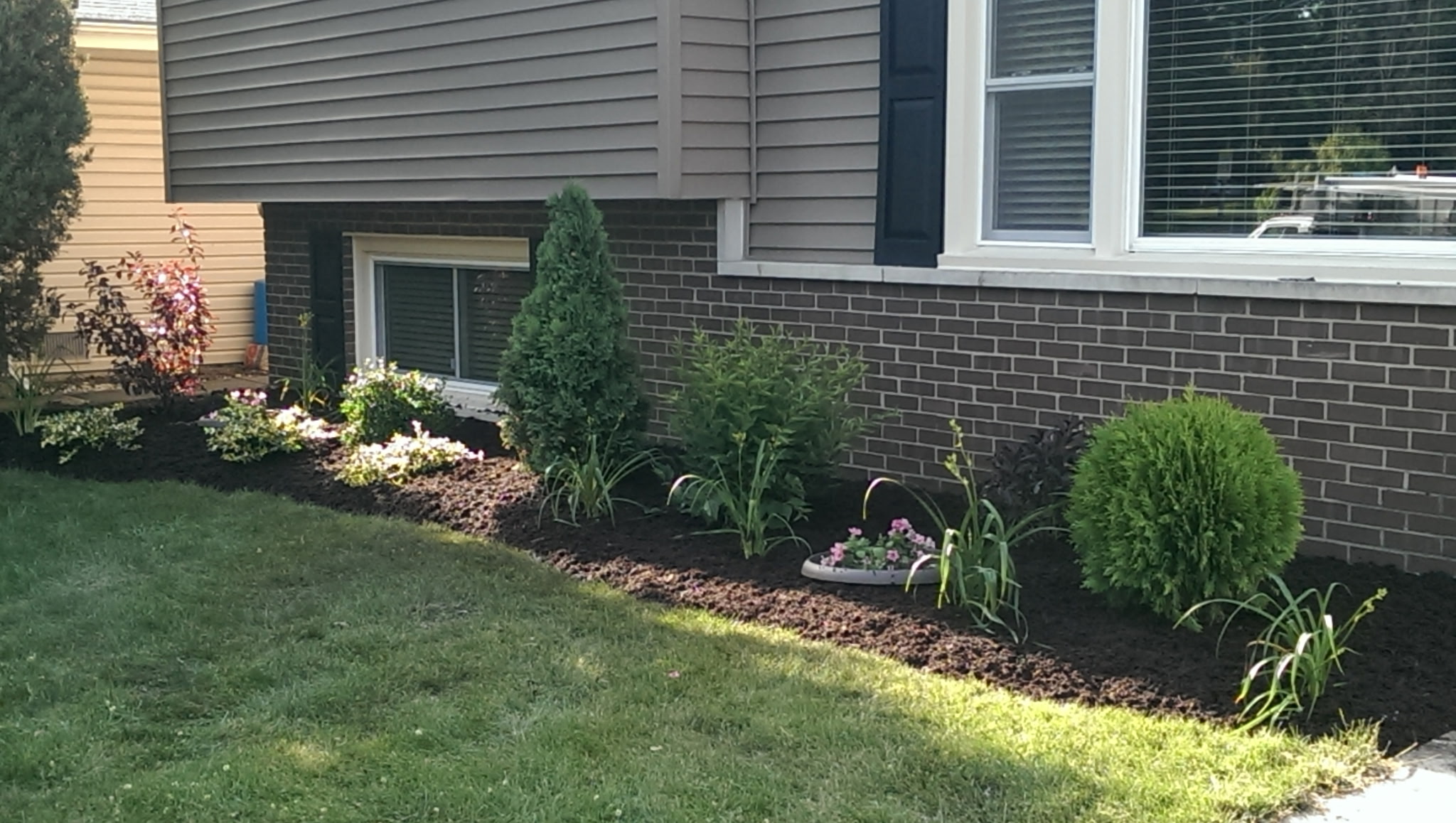
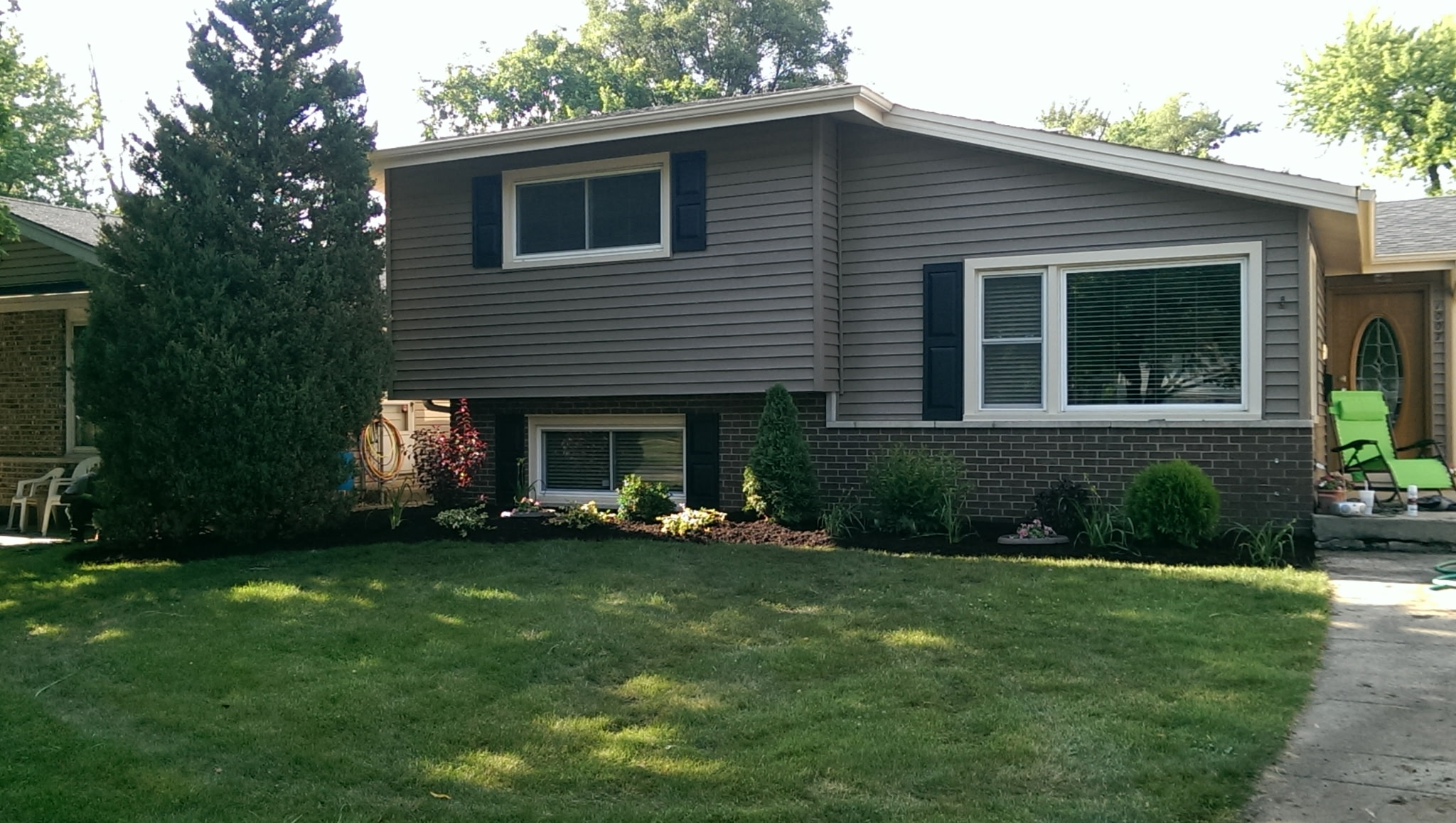
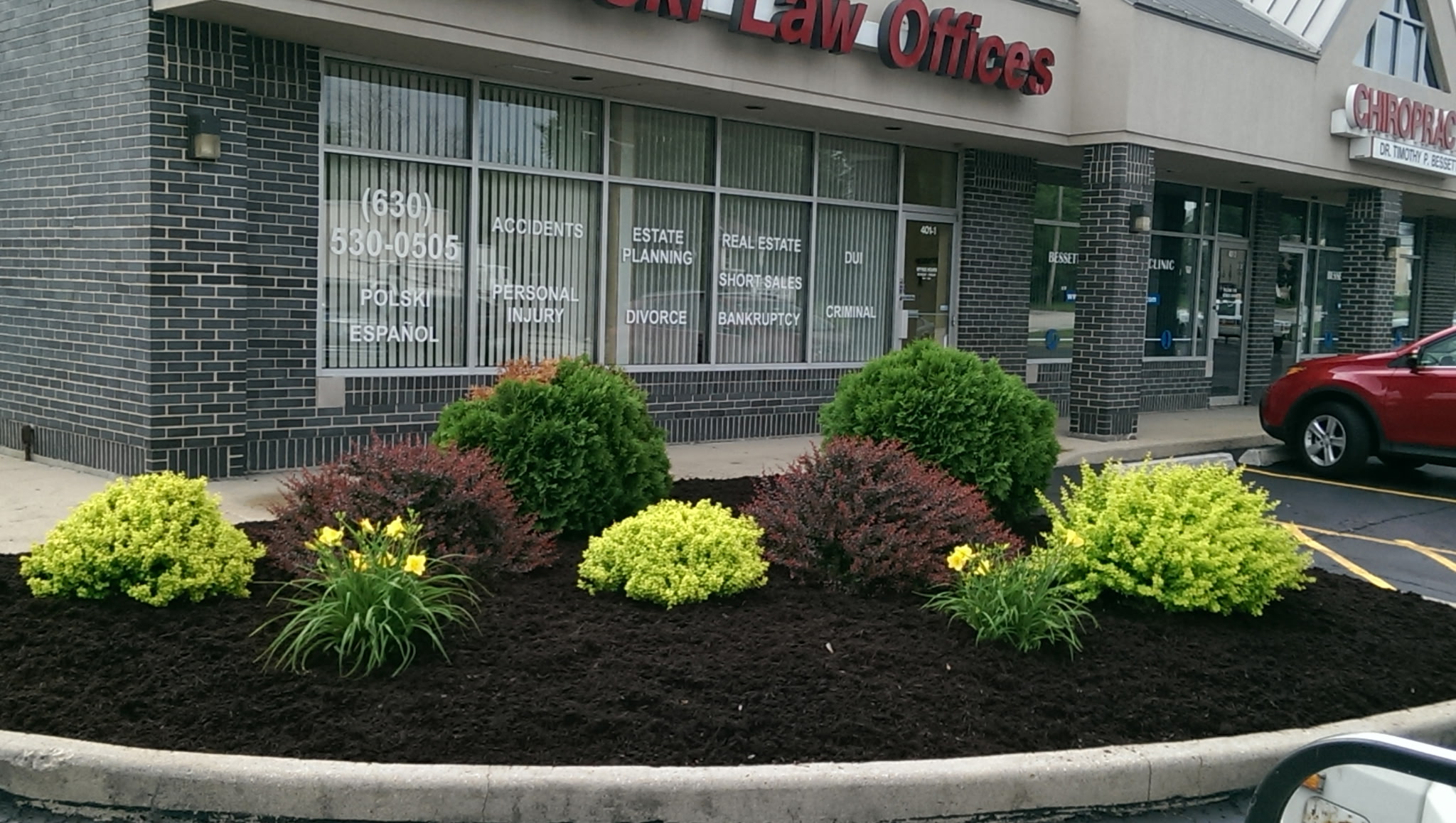
From a single ornamental tree to a full property's worth of plantings, we handle the work end-to-end. Selection, sourcing, site prep, installation, and the first season of guidance to make sure what we plant takes root.
Half the work happens before we dig. We help you choose the right species for your specific site — sun exposure, soil, drainage, mature size, distance from the house, foundation, sidewalk, sewer lines, and overhead utilities. We'll tell you when the species you have in mind is wrong for the spot, and what'll thrive there instead.
We source from established Illinois nurseries, not big-box garden centers. The trees come with healthy root systems, proper trunk caliper, and the kind of structure that sets up a strong mature form. A $300 tree from a real nursery outperforms a $99 tree from a parking lot every time — and lives long enough to make the difference irrelevant.
The hole is twice as wide as the root ball and exactly as deep. The burlap and wire come off, not just loosened. The soil gets amended where it needs it. The root flare sits at grade, not buried under three inches of mulch. The mulch ring is wide and shallow, not piled up the trunk like a volcano. None of this is glamorous; all of it determines whether the tree is alive in five years.
Foundation plantings, privacy screens, formal hedges, mass plantings of native shrubs. We design for the mature size, not the day-of look — which means accepting some sparseness in year one in exchange for a healthy, properly-spaced planting in year five. Shortcut spacing is the most common mistake in residential landscape design and it kills shrubs slowly through competition.
The first two seasons are when most newly planted trees and shrubs fail — almost always from incorrect watering. Too much, too little, wrong timing. We send you home with a watering schedule specific to what we planted and the time of year, and we're a phone call away if something looks off. After 24 months, the tree is established and on its own. Before that, it still needs you.
Lost an established tree to disease, storm damage, or emerald ash borer? We help you choose a replacement that fits the role the old tree played in your landscape, source it, and plant it. Often the right answer isn't the same species — it's whatever species is most likely to thrive in your yard for the next 40 years.
Planting a shrub is the start. Keeping it shaped, healthy, and the right size for its spot is the part that runs for the next twenty years — and it's the part most homeowners either skip or do at the wrong time.
Proper trimming does more than tidy. It controls size before a shrub swallows a walkway, pulls out dead and diseased wood before it spreads, opens the interior so light and air reach the whole plant, and shapes growth so a hedge fills in dense instead of going leggy and bare at the bottom. The difference between foundation plantings that look intentional and ones that look abandoned is almost always a matter of who's been cutting them, and when.
When is half the job. Prune a spring-flowering shrub at the wrong point in the year and you cut off next spring's blooms before they ever open. Every species has its window, and a lot of well-meant DIY pruning does real damage simply because it happened in the wrong month. The same forestry knowledge behind how we plant — three generations of it — is what tells us which shrub to shape when, so the plant comes back stronger instead of stressed. One-time cleanup of overgrown beds or regular seasonal shaping, we handle both.
Most landscapers will plant a tree for you. Few of them know what they're actually doing.
Joe Fedele spent 38 years with the City of Chicago Bureau of Forestry, retiring as District Superintendent of Forestry. His son Dominick, who runs Cutting Edge today, learned the trade from him. Dominick's sons are now the third generation working in the business. That's a century of combined experience in how trees actually grow in this region — what species belong where, what kills them, what saves them.
That expertise shows up in places most homeowners would never notice. The species we'll talk you out of because it won't survive the soil on your block. The planting depth we obsess over because girdling roots from over-deep planting are the #1 long-term tree killer. The watering instructions we'll write down for you because we've watched too many newly planted trees die in their second August from a homeowner who stopped watering in July.
A tree is one of the longest-lived investments you'll ever make in your property. We treat every planting like it has to last 50 years — because if we do it right, it will.